
They’re Listening Even When You Think They Aren’t
It usually doesn’t feel like a moment worth remembering. A short reply. A sharper tone than you meant. A conversation that tilts just slightly sideways. No yelling. No scene. Just… tension. You assume it stayed between the two of you. That the kids were in the other room. That they were busy, distracted, absorbed in…
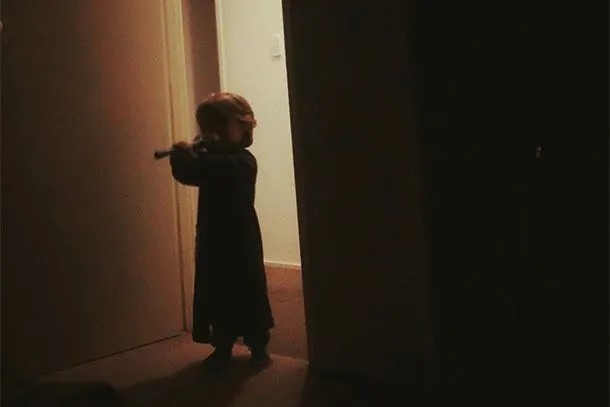
It usually doesn’t feel like a moment worth remembering.
A short reply. A sharper tone than you meant. A conversation that tilts just slightly sideways.
No yelling. No scene. Just… tension.
You assume it stayed between the two of you. That the kids were in the other room. That they were busy, distracted, absorbed in something else. That they didn’t notice.
But they did. They’re listening.
Children don’t need to understand every word to understand what’s happening.
They hear tone before they hear meaning. They feel distance before they can name it.
A pause that stretches too long. A voice that tightens. The way one of you leaves the room without saying goodbye to it.
These things speak clearly — just not in a language most adults remember to pay attention to.
What we call a “small argument” doesn’t always feel small to them.
They are learning something in those moments. They are listening even when you think they aren’t.
Not intentionally. Not consciously. But steadily — the way water shapes stone.
They are learning how people speak when they’re frustrated. What love sounds like when it’s under pressure. Whether conflict is something that passes… or something to brace for.
And most of the time, we’re not trying to teach any of that.
We’re just tired.
Carrying a long day. Holding something in too long. Reacting a beat faster than we meant to.
That’s not failure. That’s real life. And no marriage moves through it untouched.
But awareness changes how those moments unfold.
This isn’t about never disagreeing in front of your children. That’s not realistic — and it’s not even the goal.
What matters is what they experience when you do.
Do they feel tension that lingers… or do they see it settle?
Do they hear sharpness… or restraint finding its footing?
Do they watch distance grow between you… or watch you find your way back to each other?
Sometimes the most important decision in an argument isn’t what you say next.
It’s whether you say it now.
There is real strength in pausing. In saying, quietly, “We’ll come back to this.” Not to avoid the issue — but to protect the moment. To choose the room you’re in over the point you’re making.
And just as important: there is quiet power in letting your children see what comes after.
A softer tone. A conversation that finds its footing again. A hand on a shoulder. A return to warmth that feels genuine, not performed.
Because the goal was never to hide every rough edge of a marriage.
It’s to show them that conflict doesn’t have to break connection. That love doesn’t disappear when voices get sharp-it just goes quiet for a moment and then comes back.
They are always watching. Always absorbing.
Even when you think they’re not paying attention. Even when they seem lost in a screen or a game or their own small world.
Even when the house feels perfectly still.
They’re listening.
And what they hear — accumulated over years, woven into ordinary moments they’ll never consciously remember — becomes what they believe marriage is.
Which means every time you choose restraint, every time you return to each other with grace, every time you let them witness repair –
You are writing the script they’ll carry into their own loves someday.
If you’ve ever felt that moment—the one where something small shifts, and you realize it matters more than you thought—that’s what I write about here.
Not perfect marriages.
Not polished advice.
Just the real, quiet moments that either pull a couple closer…
or slowly push them apart.
If you’d like, you can subscribe, and I’ll send these straight to you—nothing extra, nothing loud.
Just something worth reading when you have a few minutes to breathe.
Continue reading – When Kids See More Than We Think
Stop Arguing in Front of the Kids—Start Leading in Front of Them
How to handle conflict with steadiness
